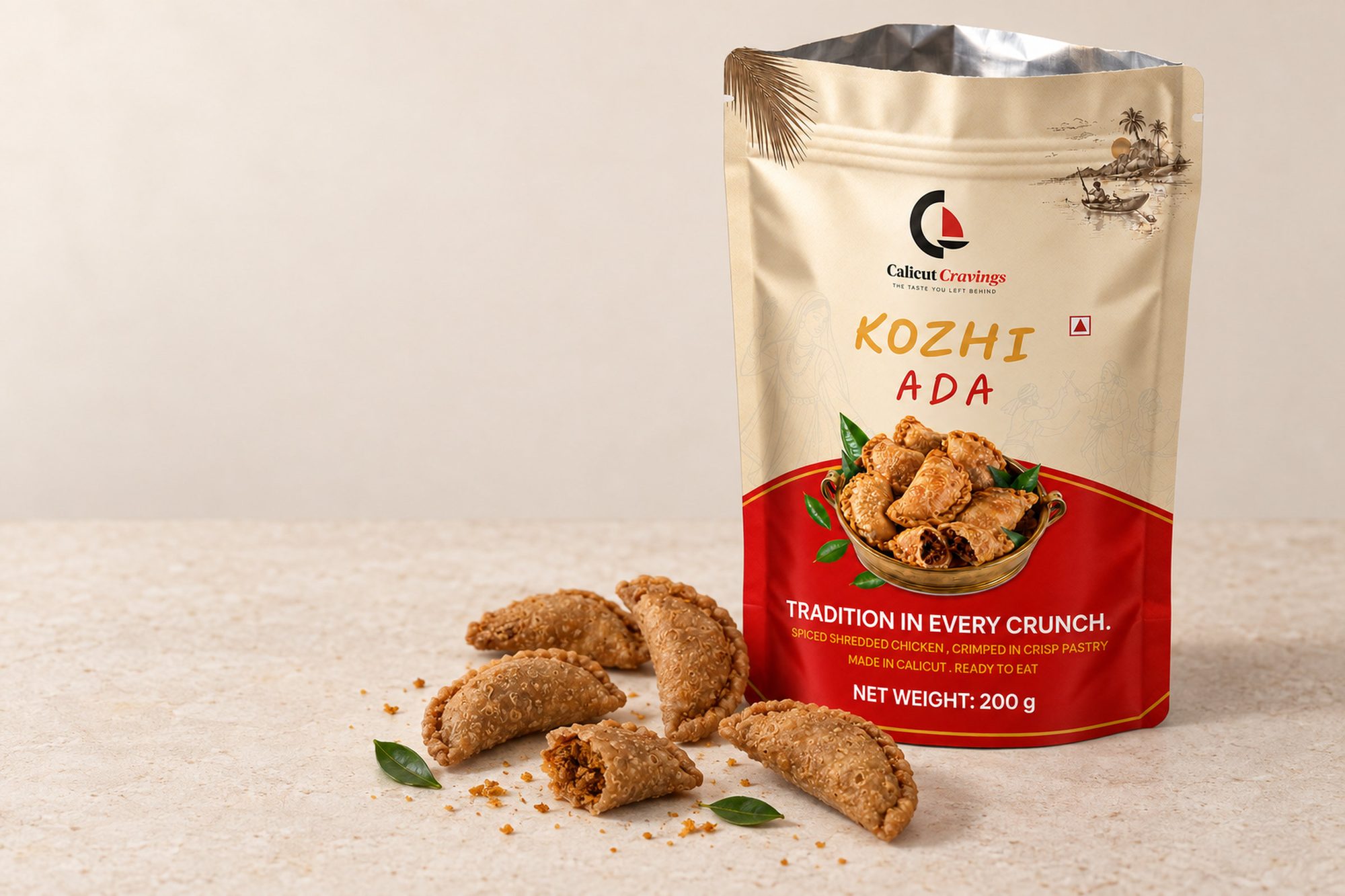
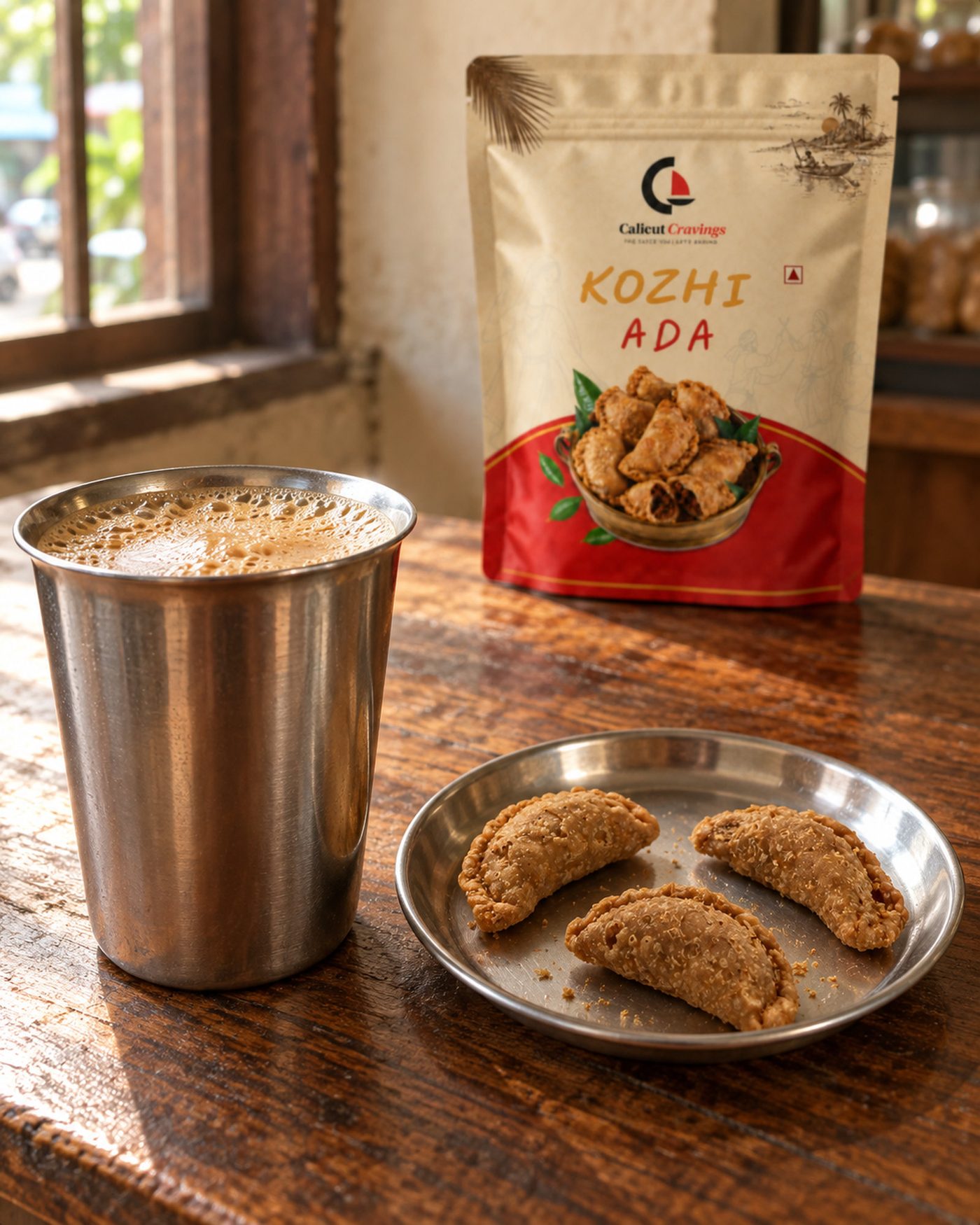
Kozhi Ada
Malabar chicken pockets

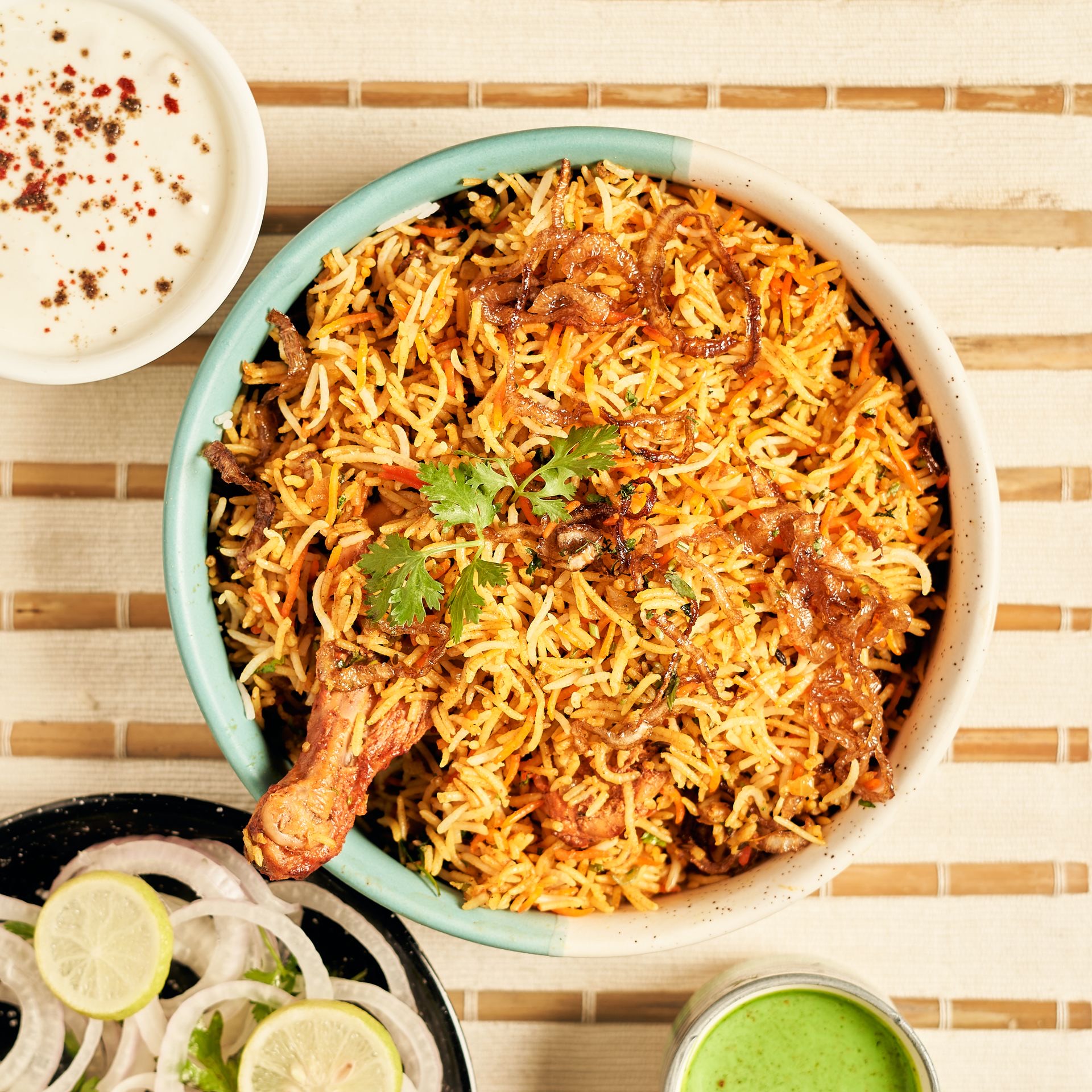
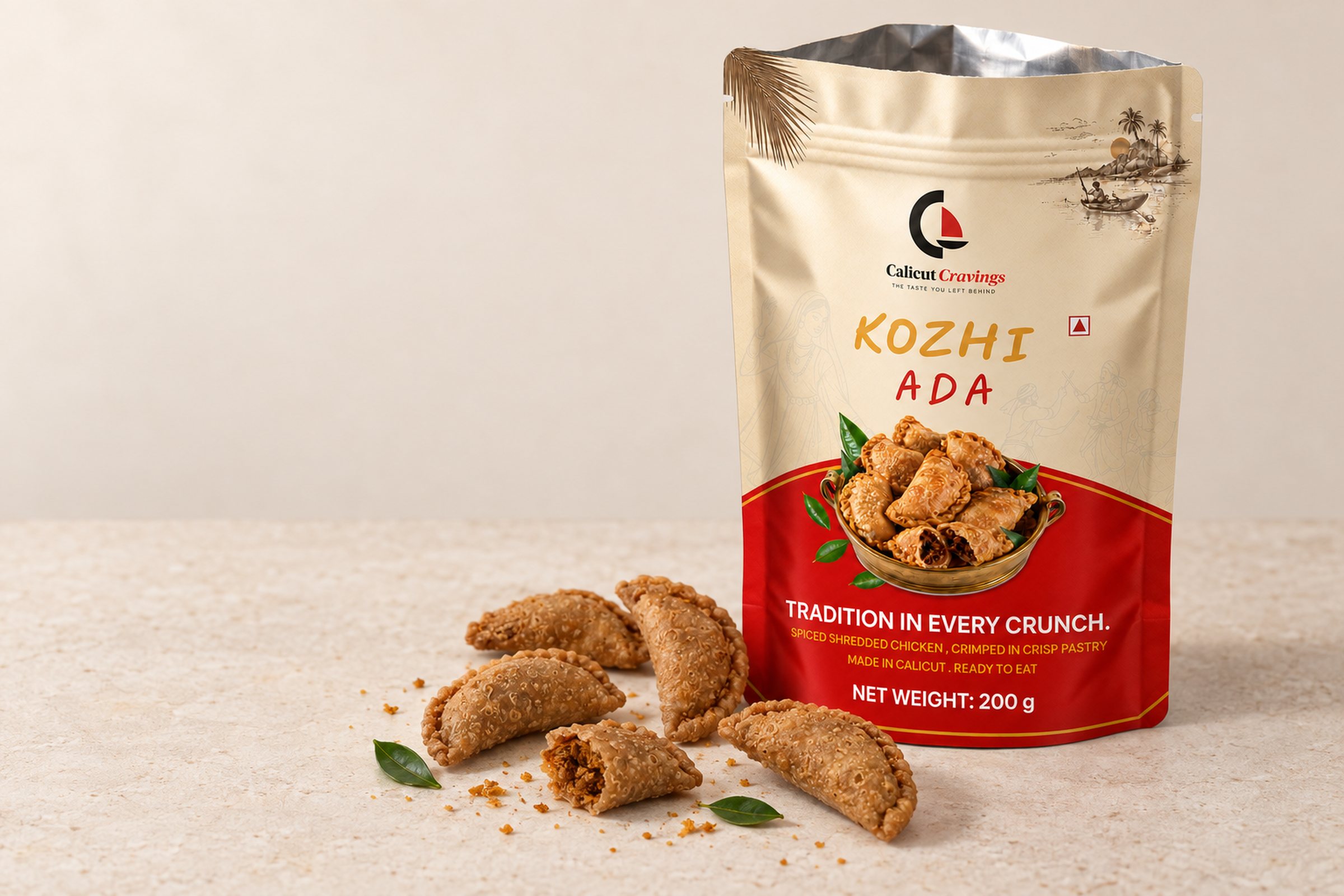
Fennel-spiced shredded chicken in a hand-crimped, fried wheat pastry. Ready to eat, keeps three months.
From ₹219 200 g · 300 g · 500 g
500 g works out at ₹938/kg
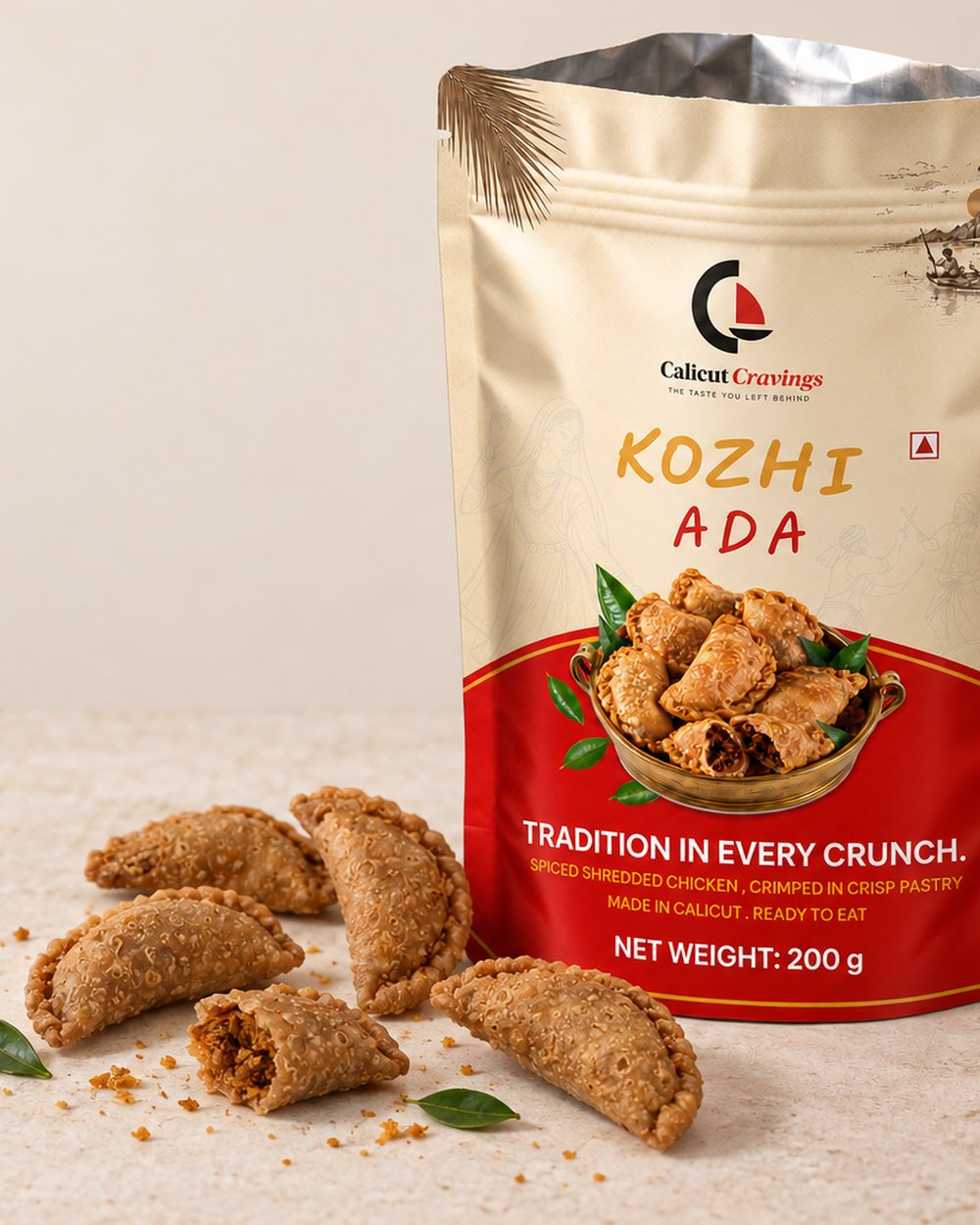
Kozhi Ada · fried in Calicut
Hand-crimped chicken pockets and coconut-oil banana chips from a small Kozhikode kitchen. Ready to eat. Keeps three months. Delivered anywhere in India.
Made in Calicut. Ready to eat. Keeps 3 months, no fridge. FSSAI licensed. Free delivery from ₹400. Ships pan-India.
The range
We launched with the two things Kozhikode is known for and got them right before adding anything else.
Malabar chicken pockets
Fennel-spiced shredded chicken in a hand-crimped, fried wheat pastry. Ready to eat, keeps three months.
From ₹219 200 g · 300 g · 500 g
500 g works out at ₹938/kg
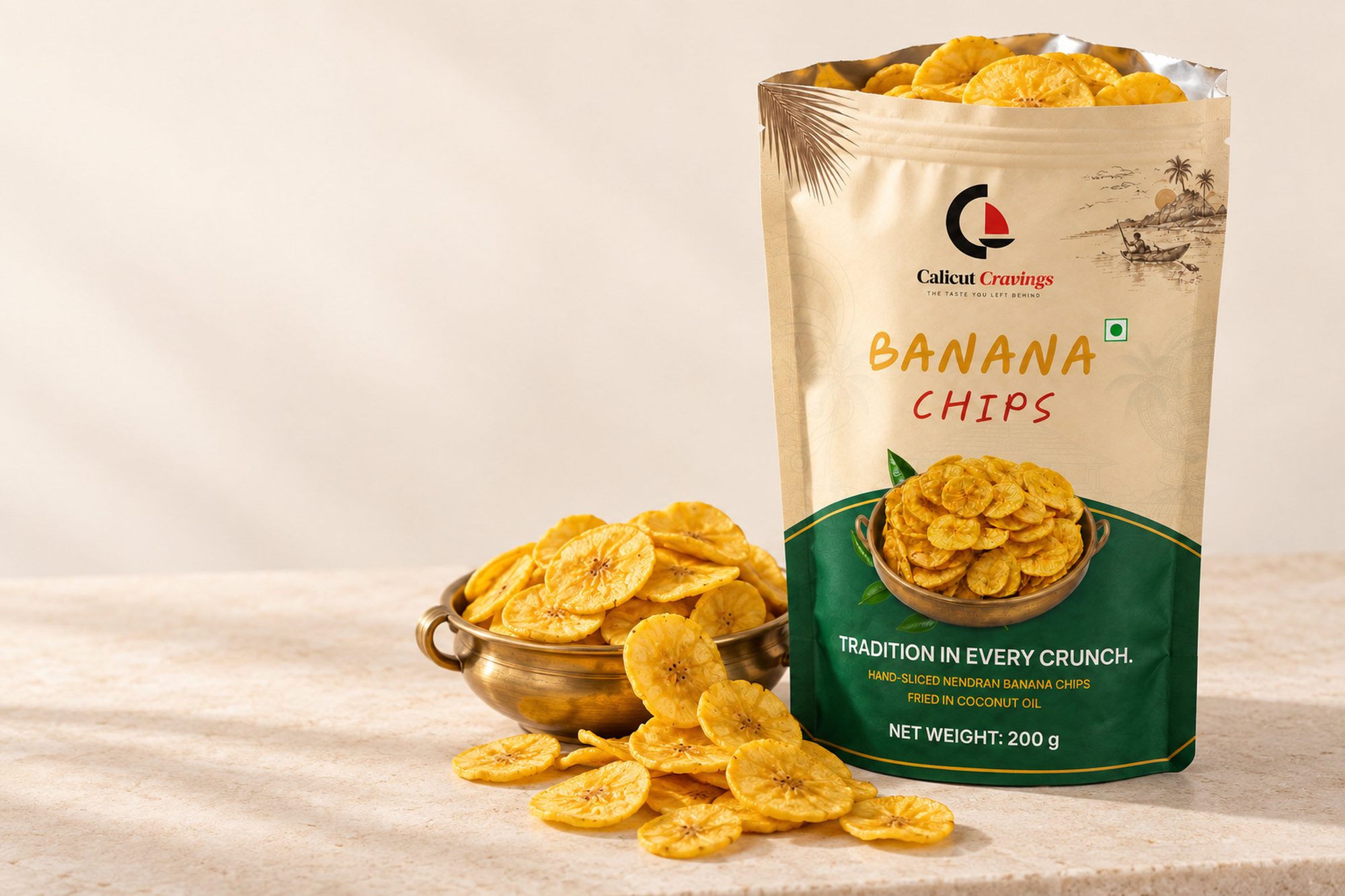
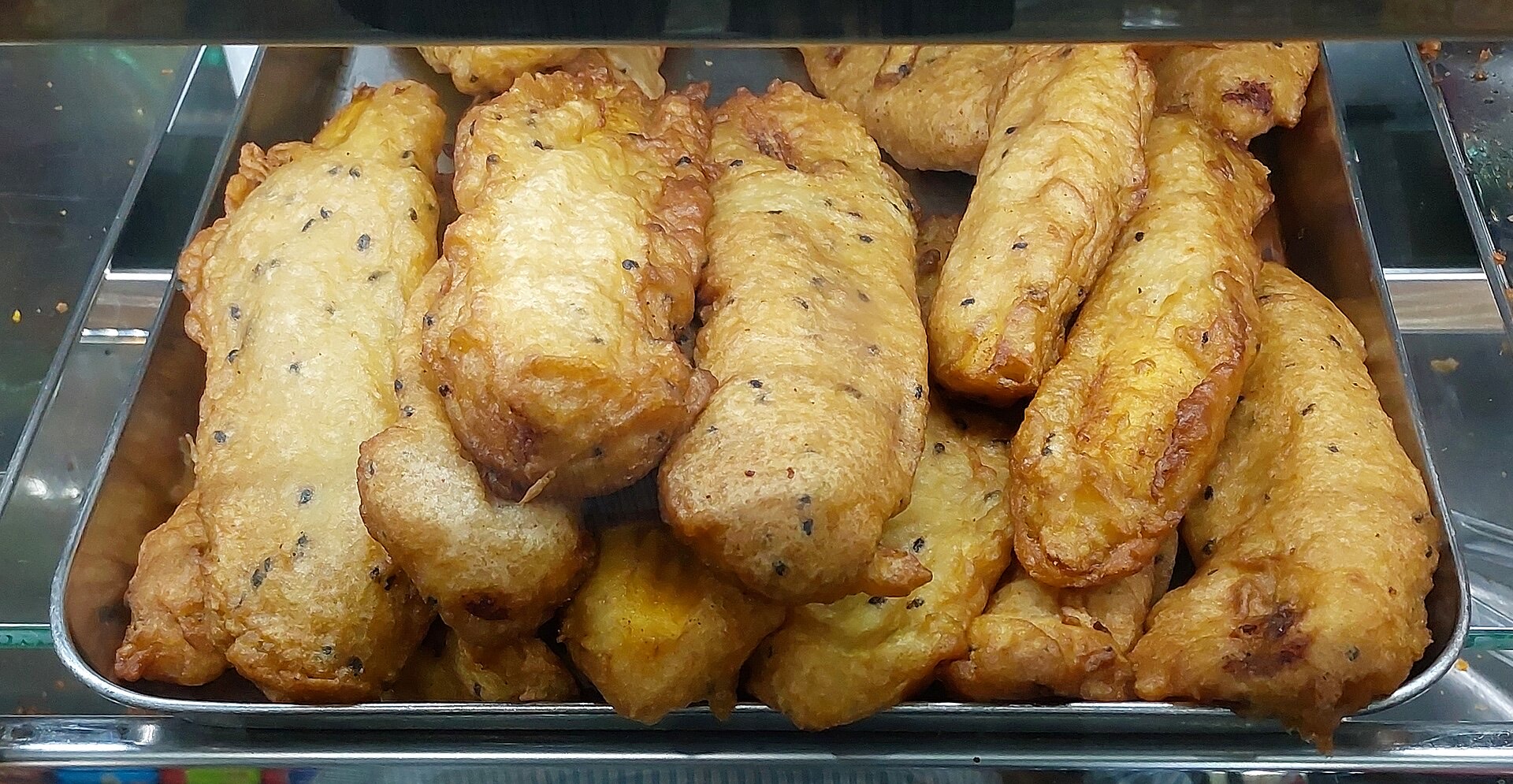
Fried in coconut oil
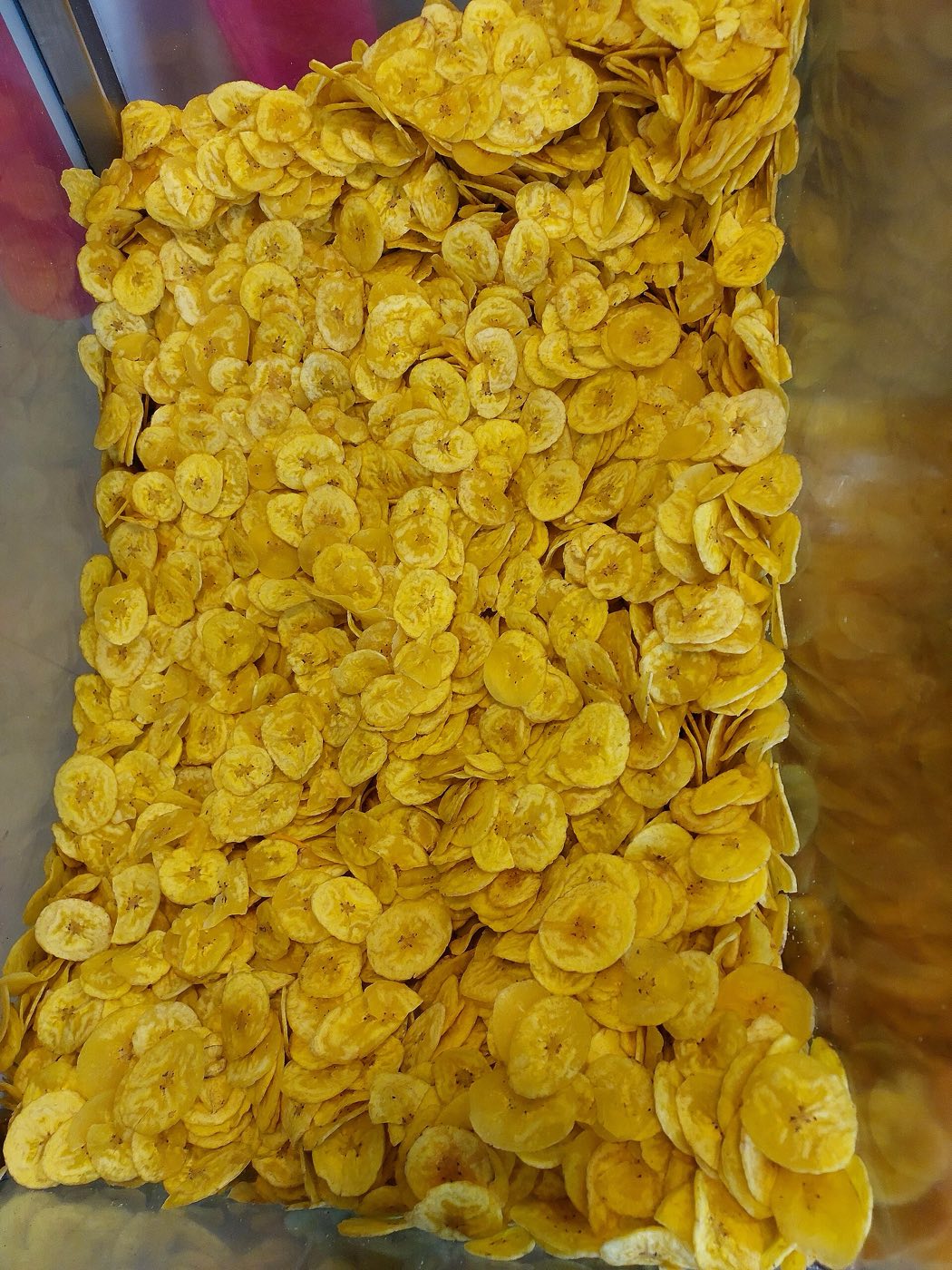
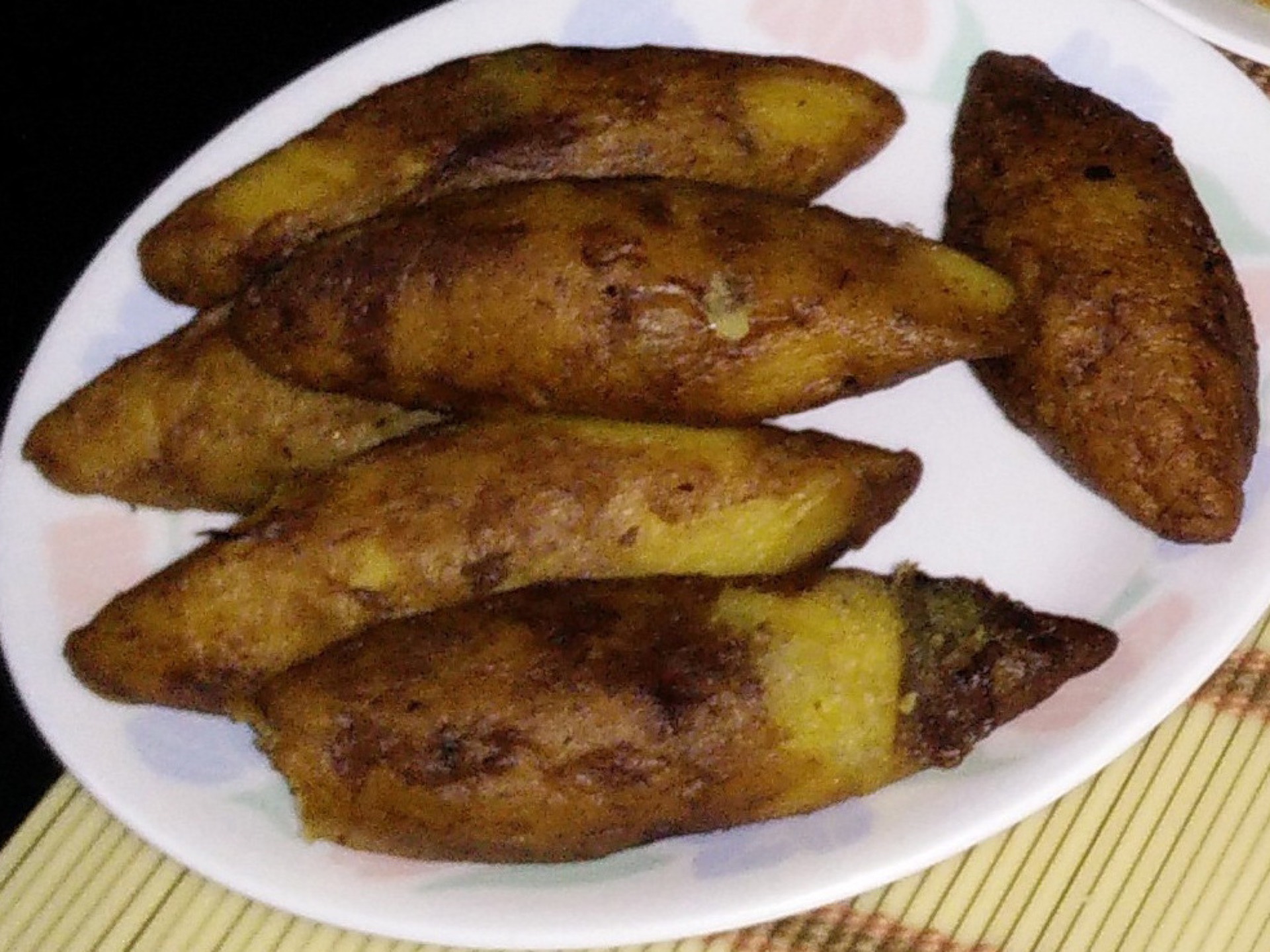
Thin-cut Nendran banana fried in pure coconut oil and lightly salted - the Kerala upperi, made in Calicut.
From ₹199 200 g · 300 g · 500 g
500 g works out at ₹758/kg
The ada comes in three fillings: Kozhi Ada (chicken), Erachi Ada (beef), Soya Ada (vegetarian).
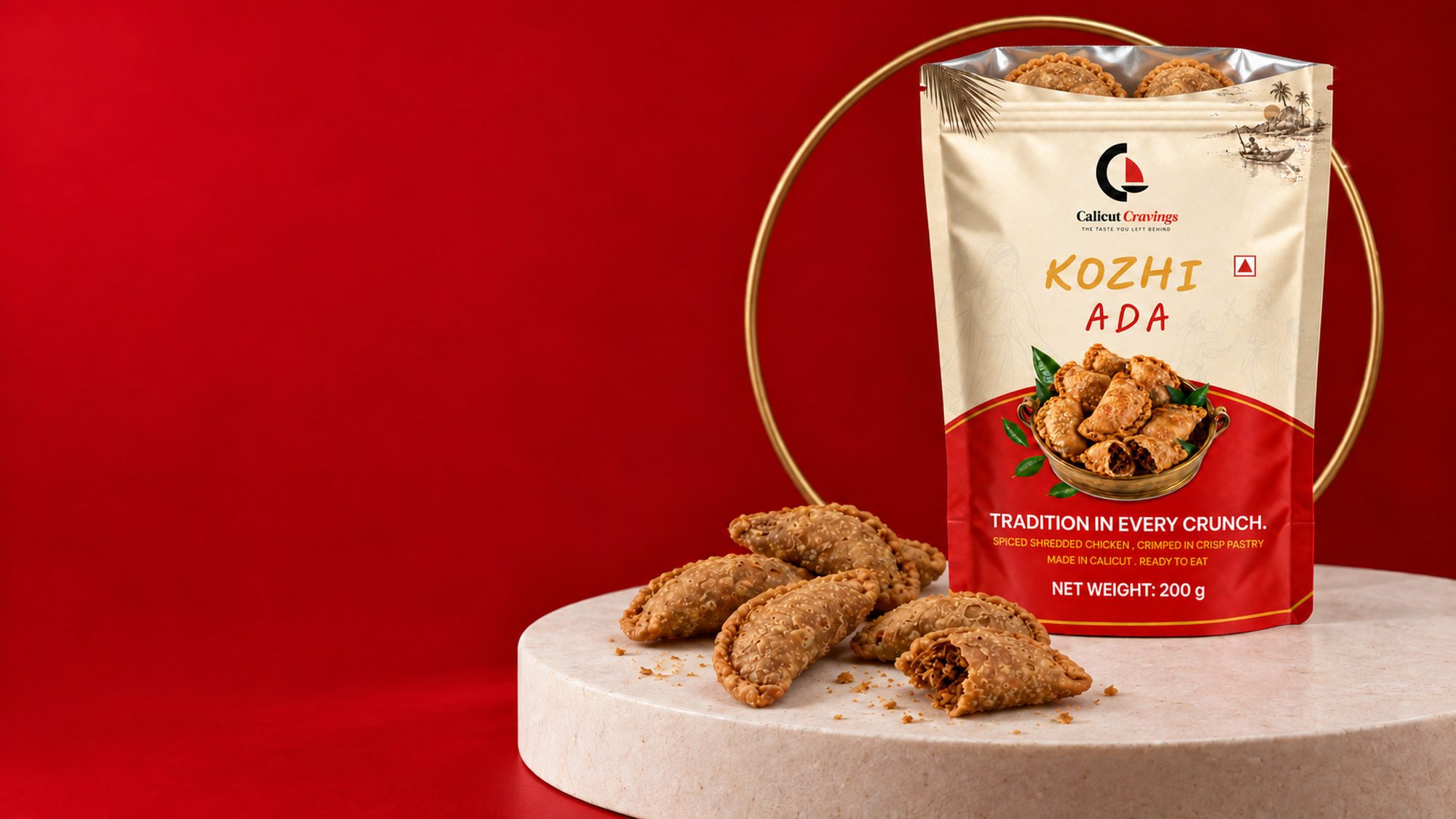
The hero product
Fennel-spiced shredded chicken in a thin pastry, crimped by hand and fried until it crackles - the version every Kozhikode bakery keeps in its glass case. Mappila kitchens have made it for chaya time for over a century. Ours is sealed to keep three months, so it reaches you as it left Calicut.
From ₹219
200 g, 300 g and 500 g packs · free delivery from ₹400, ₹50 flat below
How it works
1
Pick your packs
200 g, 300 g and 500 g of each. UPI, cards and netbanking at checkout.
2
Packed in Calicut
Sealed, shelf-stable packs from our FSSAI-licensed kitchen. No cold chain, nothing to reheat.
3
Courier to any Indian address
2 to 6 working days. Free delivery on orders from ₹400, ₹50 flat below that - yours or family's.
From the founder
Malabar snacks are hard to buy outside Kerala, and the few that ship are mass-produced. Calicut Cravings is a small, founder-led kitchen shipping the food we actually eat at home: crimped by hand, fried in small batches, sealed the same day, with the recipes and the trade-offs written down openly.
Abdulla K P
Founder · Kozhikode, Kerala
Read the founder story →From the journal
info
Banana chips run ~519 kcal per 100 g (USDA). What that means, how Kerala salted nendran chips differ from sweetened wafers, and a realistic portion guide.
info
How long banana chips stay crisp - sealed, opened, and through monsoon humidity. Storage that works, the staleness signs, and why coconut oil buys you weeks.
info
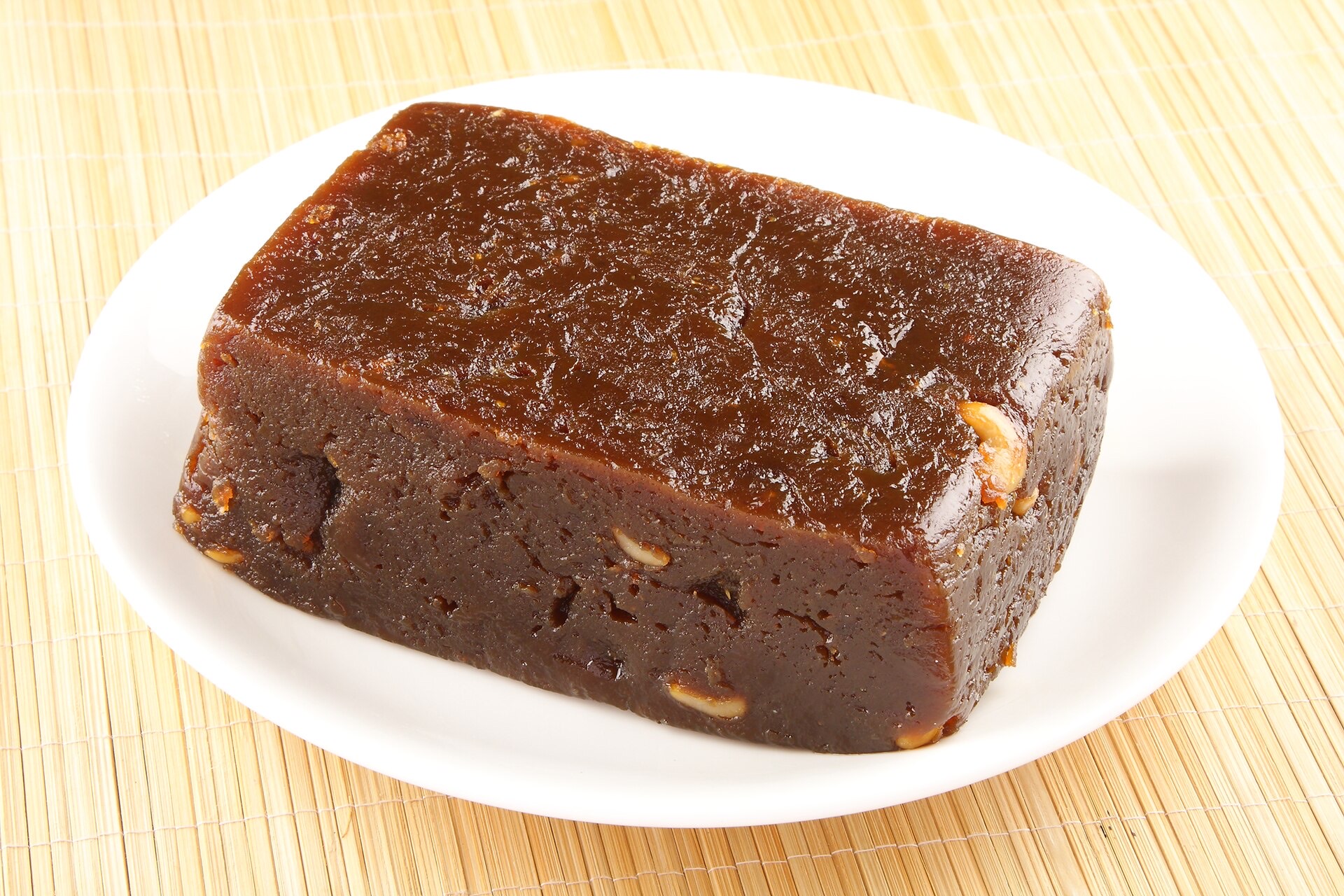
India's three famous halwas compared - Kozhikodan (wheat starch + coconut oil), Karachi/Bombay (corn flour + ghee) and Tirunelveli (wheat milk + ghee) - which is which, and when to buy each.
The kitchen library
29 tested recipes and a full food glossary - every dish documented properly, from the everyday to the wedding table.
The story
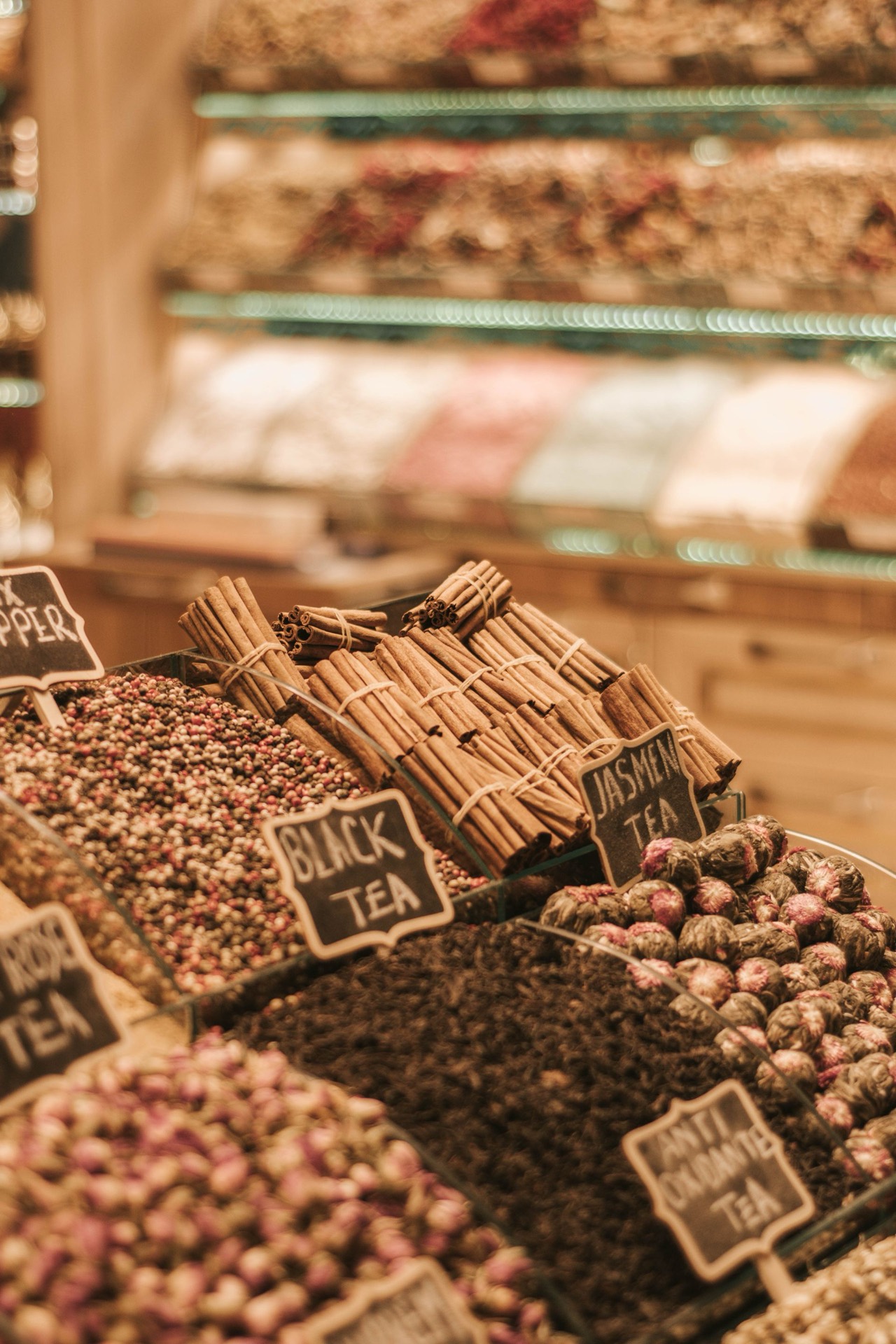
The cotton cloth that clothed half of Europe in the 1600s took its name from our city - the spice-and-cloth port the world traded through for a thousand years. We named the brand after that exchange. The same trade winds that brought back dates, fennel and Arab baking technique still live in the food we cook today.
Read the Calicut story →Ibn Battuta visits Calicut and records it as one of the great harbours of the Indian Ocean world.
Vasco da Gama lands at Calicut, opening the Europe–Malabar spice route.
"Calico" enters English as the name for Calicut cotton.
We cook those same trade-route flavours - spice, coconut, date, fennel - in a small kitchen here.
Shelf life, delivery to your city, a bulk order for an office or a wedding - ask the kitchen directly.