The category, in one paragraph
The Malabar coast - the strip of north Kerala from Kasaragod down to Thrissur - has its own food identity, shaped by centuries of Arab and Portuguese trade through Calicut (Kozhikode). The result is a snack culture that uses spice like a curry kitchen but pastry like a bakery. You will find chicken folded into rice-flour pockets, ripe bananas stuffed with coconut jaggery, and date cookies that look like Middle Eastern Maamoul because, well, they are.
The ten you should know
A working shortlist - the full list of 40+ Malabar snack names has every dish with its Malayalam name. Each below is a distinct dish, not a regional variant.
1. Kozhi Ada - the hero
The spiced-chicken pocket. A soft rice-flour wrapper folded around shredded chicken cooked with fennel, ginger, garam masala, coriander and mint - steamed, then pan-finished in coconut oil. The signature snack of Mappila kitchens in Calicut, and the most-searched Malabar snack online. Bakeries across Kozhikode also sell a crisp fried wheat-pastry version of the same snack. That is the one we pack, because it is the one that survives a courier. Read what Kozhi Ada is · follow the recipe · order ours.
2. Unnakaya - banana sweet
A ripe Nendran banana is steamed and mashed, then filled with coconut, jaggery, raisins and cardamom. The mash is rolled into a cigar, dipped in a light batter, and deep-fried until the outside is golden and the inside is molten with sweet coconut. Iftar staple in Malabar households; reheats from frozen in 6–8 minutes.
3. Pazham Pori - banana fritter
The everyday tea-time snack. Slices of ripe Nendran banana dipped in a turmeric-tinted, lightly sweetened batter (rice flour + maida + a pinch of salt) and deep-fried in coconut oil until the outside is crisp and the banana inside has caramelised. Best eaten within an hour of frying, which is why bakeries cook them in small batches every couple of hours from 4 pm onward.
4. Chatti Pathiri - the Malabar lasagne
A layered, slow-cooked construction unique to the Malabar coast. Thin rice-flour or wheat-flour crêpes (pathiri) are layered in a deep pot with a spiced chicken or beef masala and a beaten-egg-and-milk mixture between layers, then steamed gently until the whole thing sets like a savoury cake. Cut into wedges and served warm. The closest comparison in European cooking is a savoury lasagne; the technique is closer to Persian tahchin. Festival food - wedding feasts and Eid spreads.
5. Maamoul - the date cookie that came across the Arabian Sea
A short, semolina-and-ghee cookie pressed into a wooden mould and filled with date paste, walnut or pistachio. Maamoul is fundamentally an Arab dish - eaten across Iraq, Syria, Lebanon and the Gulf - but it travelled with traders into Malabar centuries ago and is now a fixture in Mappila bakeries. Keeps 30+ days at room temperature. The cleanest gifting item we ship.
6. Kunji Pathiri - small steamed rice pocket
Sometimes called “mini Kozhi Ada” - a smaller, simpler steamed rice-flour pocket, usually with a coconut-jaggery sweet filling rather than meat. Often served as Ramadan iftar between the date and the main meal.
7. Mutta Surka - steamed egg-white cake
A steamed egg-white cake flavoured with sugar and cardamom, traditionally served alongside mutta maala - fine threads of egg yolk spun through sugar syrup. Together they form one of the most distinctive sweets of the Mappila wedding and Eid table. In some areas Mutta Surka is also known as pinjanathappam.
8. Kalathappam - rice-and-jaggery cake
A dense, dark baked cake made from rice flour (or soaked-and-ground rice), jaggery, coconut bits, shallots, cumin and cardamom, traditionally cooked low and slow in a heavy pot until set. Sweet, sticky and deeply caramelised from the jaggery. A Malabar tea-time and Ramadan cake.
9. Banana chips (upperi) - the daily driver
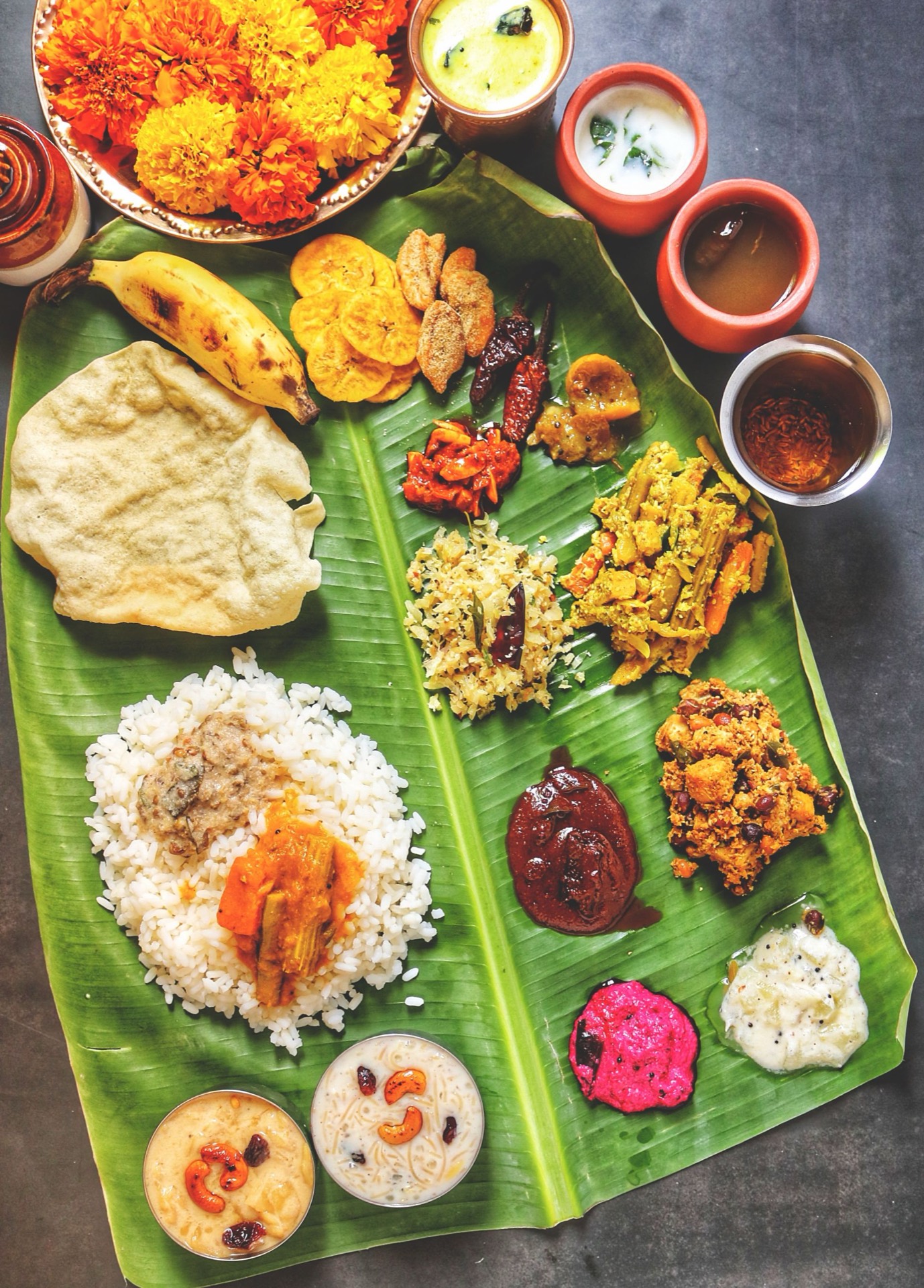
Thin slices of raw Nendran plantain fried crisp in coconut oil and salted in the pan - the default Kerala snack and the first thing packed for anyone travelling out of the state. The Nendran variety and the coconut oil are non-negotiable. What upperi is · make them at home · order ours.
10. Sharkara varatti - the sweet pair
Thick-cut fried Nendran pieces coated in jaggery spiced with dry ginger and cardamom - the sweet half of the sadya chip pair and an Onam essential. What it is · order ours.
How to serve them
Tea, always tea. Chaya kadi - literally “tea-snack” - is the cultural anchor of the entire category. Most Malabar snacks were engineered to be eaten between 4 and 6 pm with strong, sweet, milky black tea, either plain or perfumed with cardamom and ginger.
How to buy them
Three principles:
| What to check | Why it matters |
|---|---|
| Cooked daily in a real kitchen, not a factory | Fresh items don’t survive industrial shelves without preservatives |
| Short ingredient list (real spice, real coconut) | Mass-market substitutes hide behind long ingredient lists |
| A shelf-life claim that matches the cooking method | Steamed rice-flour items are same-day or frozen; fried and baked items honestly keep for months. Be suspicious when the number and the method do not match |
Our buying guide goes deeper, including who else in India is doing this well.


