The five checks before you order
- Coconut oil, named explicitly. “Edible vegetable oil” almost always means palm olein - cheaper, flatter-tasting, and not Kerala style. The label should say coconut oil.
- Nendran on the label. The Kerala plantain fries crisp and lightly sweet. “Banana wafers” made from other varieties are a different (lesser) product.
- Short ingredient list. Banana, coconut oil, salt - three items. Turmeric for colour is traditional and fine. Flavour powders and preservatives are not.
- Fried-on / packed-on date. Chips are a fresh product that happens to keep; a packer who prints the fry date is a packer who moves stock.
- Sealed, gas-flushed or vacuum packing for shipping - loose pouches arrive as crumbs.
The styles worth knowing
| Style | What it is | Best for |
|---|---|---|
| Thin salted (upperi) | 1–2 mm rounds, salted in the pan | Everyday snacking, sadya |
| Sharkara varatti | Thick cut, jaggery + dry ginger + cardamom shell | Sadya, gifting, tea time |
| Ripe-banana chips (pazham chips) | Sweeter, darker, softer crunch | Acquired-taste favourite |
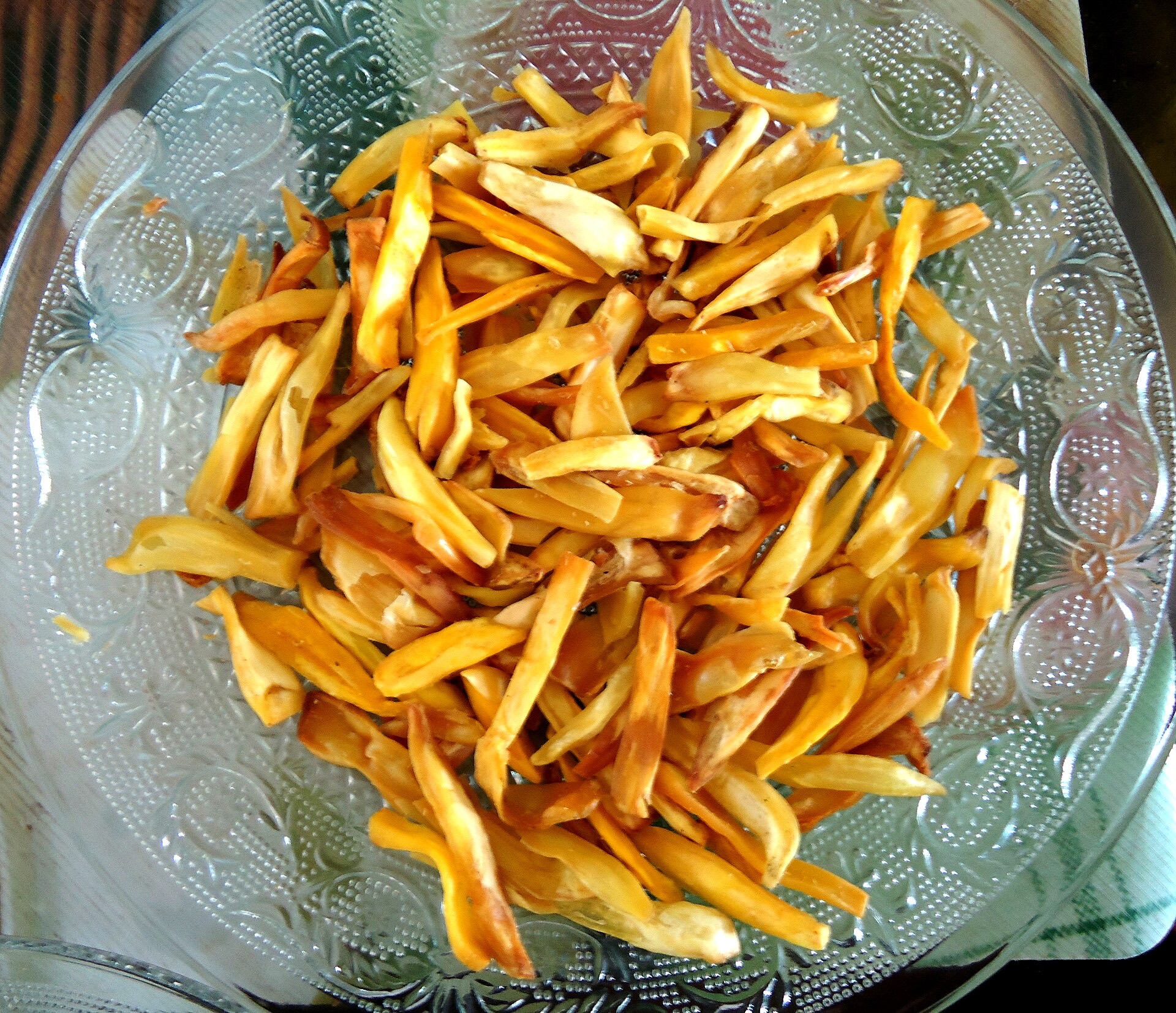
| Jackfruit chips (chakka chips) | The seasonal cousin | Variety boxes |
Who ships what - an honest survey
The Kerala chips market online spans big established fryers (A1 Chips and the large Chennai and Kochi houses), supermarket brands, and small-batch Kerala kitchens that pack to order. The big names are consistent and fast; the small batches are usually fresher and likelier to use coconut oil throughout. Whoever you pick, apply the five checks above - the ingredient list settles most arguments.
Where we fit (disclosure): Calicut Cravings is one of the small-batch kitchens. We fry banana chips and sharkara varatti in pure coconut oil in Calicut and ship pan-India. We’re in this market, so treat our inclusion here accordingly - and hold us to the same five checks.
Make them yourself
The home method - including the salted-water-in-the-pan seasoning trick - is in our Kerala banana chips recipe. More background: banana chips (upperi) and sharkara varatti in the glossary, and the full Malabar snacks guide.
Keep reading & shopping
Frequently asked
What makes Kerala banana chips different from regular banana chips?
Two things: the raw Nendran plantain (a Kerala cultivar that fries crisp with a faint sweetness) and frying in coconut oil, which gives the signature aroma. Generic banana chips use other varieties and neutral oils - crisp, but flat-tasting by comparison.How can I tell if chips were really fried in coconut oil?
Check the ingredient list - it should say 'coconut oil', not 'edible vegetable oil' or 'palm olein'. The aroma test on opening is equally reliable: coconut-oil chips smell unmistakably of coconut oil; palm-oil chips smell of nothing.What is sharkara varatti?
The sweet sibling of salted banana chips - thick-cut Nendran pieces fried in coconut oil and coated in jaggery spiced with dry ginger and cardamom. Both sit side by side on the Onam sadya leaf.How long do banana chips stay fresh after shipping?
Well-made chips in sealed packing stay crisp for several weeks at room temperature. Once opened, reseal airtight; humid coastal weather softens exposed chips within a day or two.When is demand highest?
Onam (August–September) is the peak - chips and sharkara varatti are sadya essentials - followed by Vishu in April and the year-round flow of parcels to Malayalis outside Kerala.