A street built by the spice trade
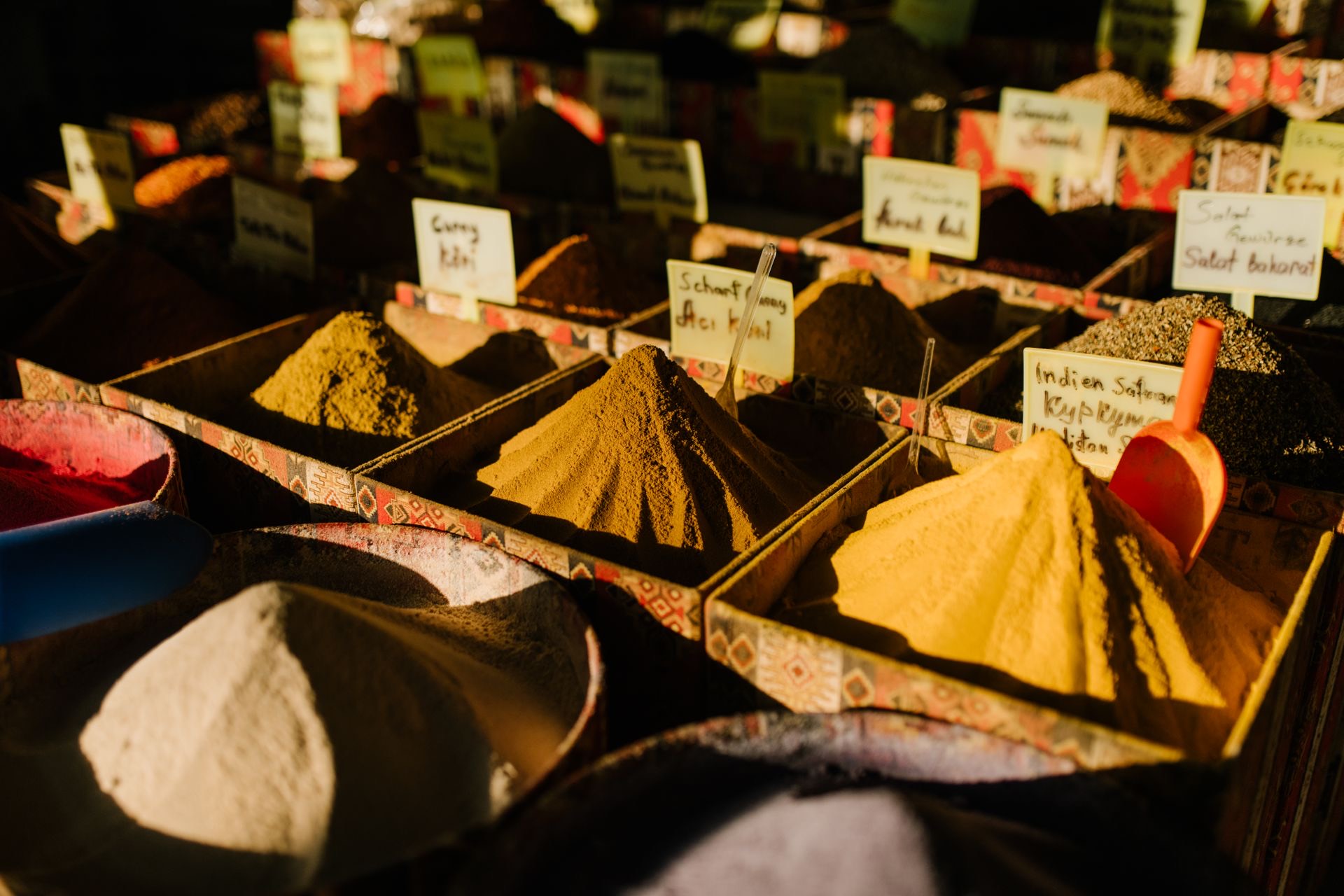
Calicut under the Zamorins was one of the Indian Ocean’s great ports - pepper and cloth outbound, the world inbound. Arab merchants, who had traded on this coast for centuries, are credited with bringing the halwa tradition itself; the word comes from the Arabic hulw, “sweet”. Local cooks remade it with what Malabar had - wheat starch, jaggery, and coconut oil instead of ghee - and a distinctly Calicut sweet was born (Kerala Tourism).
The makers clustered on one commercial street in the heart of the city. When European traders arrived and met the dense, glossy slabs - sliced like cured meat, shining like it too - they reached for the old English word for sugar confections: sweet meat. The street of the halwa makers became Sweet Meat Street (The News Minute).
The street as a character
No Indian street has better literary credentials. S. K. Pottekkatt’s Oru Theruvinte Katha (The Story of a Street) is built around Mittayi Theruvu - not as backdrop but as protagonist, with a personality and a hold over mid-century Kozhikode (Homegrown). The Jnanpith-winning writer’s statue now stands by Mananchira, a short walk from the street he immortalised.
What you’ll find today
The street remains Kozhikode’s dense retail spine - but the halwa windows are still the point:
- Slab halwa in every colour - the dark jaggery karutha (black) classic, reds, banana yellows, pistachio greens - cut and weighed to order. What each variety actually is: Kozhikodan halwa varieties.
- Fresh banana chips, often fried in the shopfront - the other half of every food parcel sent home from Calicut.
- The general hum of a market street that has never stopped since the Zamorin’s port fed it.
If you can’t get to the street
The whole point of our kitchen is that the street’s flavours ship. Start with the Kozhikodan halwa guide for how the sweet is made and bought online, the glossary entry for the short version, and the story of Calicut for the city around it. Our own banana chips fry in the same tradition a few kilometres from the street itself.
Keep reading & shopping
Frequently asked
Why is it called Sweet Meat Street?
European traders who came to Calicut called the dense, glossy halwa sold here 'sweet meat' - the old English term for a sugar confection, helped along by the halwa's meat-like sheen and slice. The street of halwa makers became Sweet Meat Street, shortened to SM Street; in Malayalam it is Mittayi Theruvu, the street of sweets.How old is SM Street?
It has been a commercial street for roughly five centuries, growing with Calicut's spice-port trade under the Zamorins - the era when Arab, Chinese and later European merchants made the city one of the Indian Ocean's great markets.What is the connection between SM Street and Kozhikodan halwa?
The street is where Calicut's halwa trade concentrated and where it still lives - shopfronts stacked with slabs in red, black, green and gold. Kozhikodan halwa and the street effectively named each other.Which novel made SM Street famous?
S. K. Pottekkatt's Malayalam classic 'Oru Theruvinte Katha' (The Story of a Street) puts the street itself at the centre of the narrative - a rare case of a street as protagonist. A statue of the writer stands at Mananchira, near the street he wrote into literature.What should a first-time visitor buy on SM Street?
Halwa, cut from the slab - the classic black (karutha) variety first, then whatever colour catches you. Around it: banana chips fried fresh, and the general festival-market spread of a street that has sold treats for five hundred years.